Welcome to Yuanyuan's design toolbox!
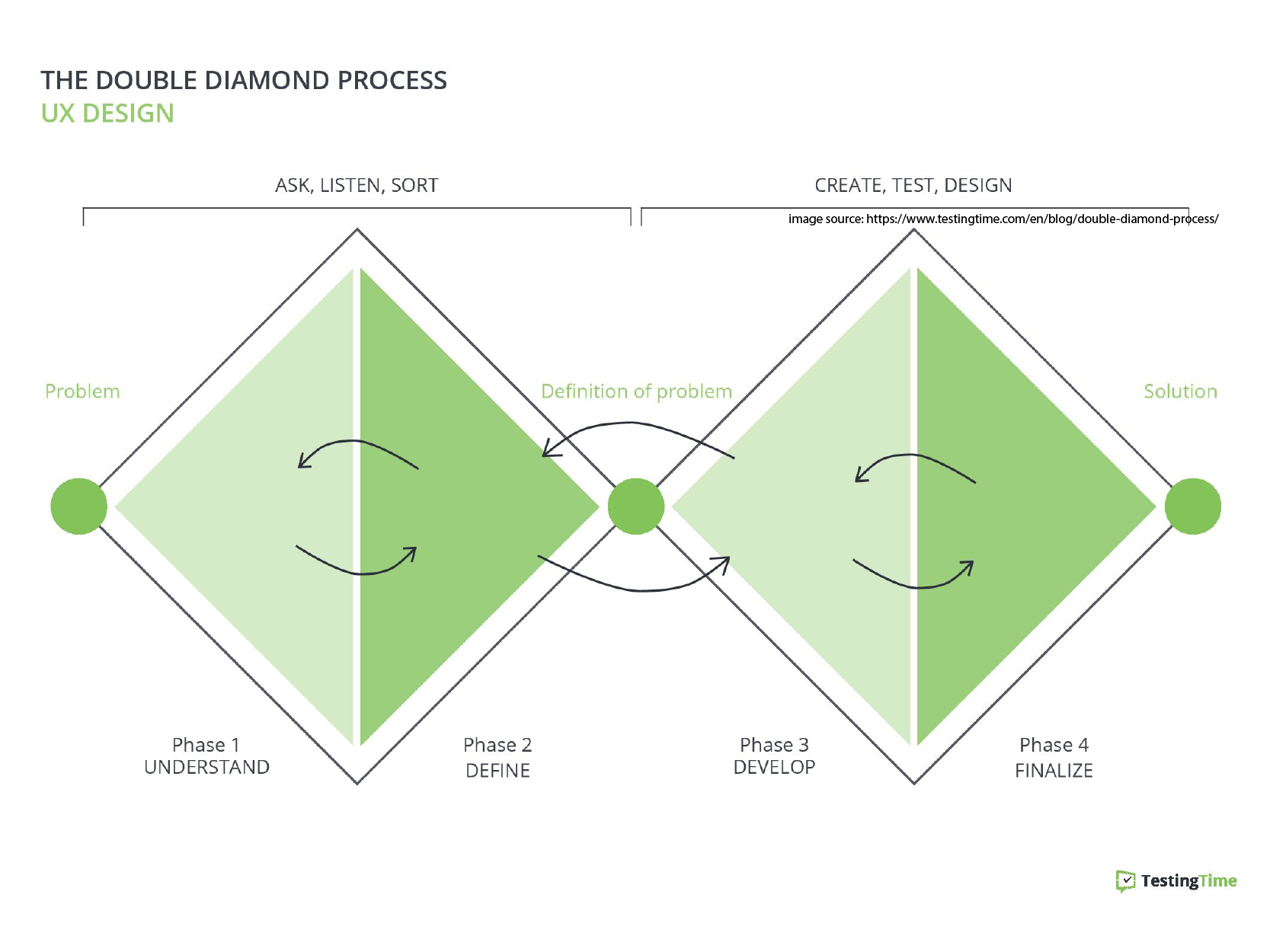
Double Diamond
Designers all know how to design by themselves, but there are many
times we need to explain the process to others. This model may
looks dated, but it's widely accepted and does its job.
Image source:
https://www.testingtime.com/en/blog/double-diamond-process/
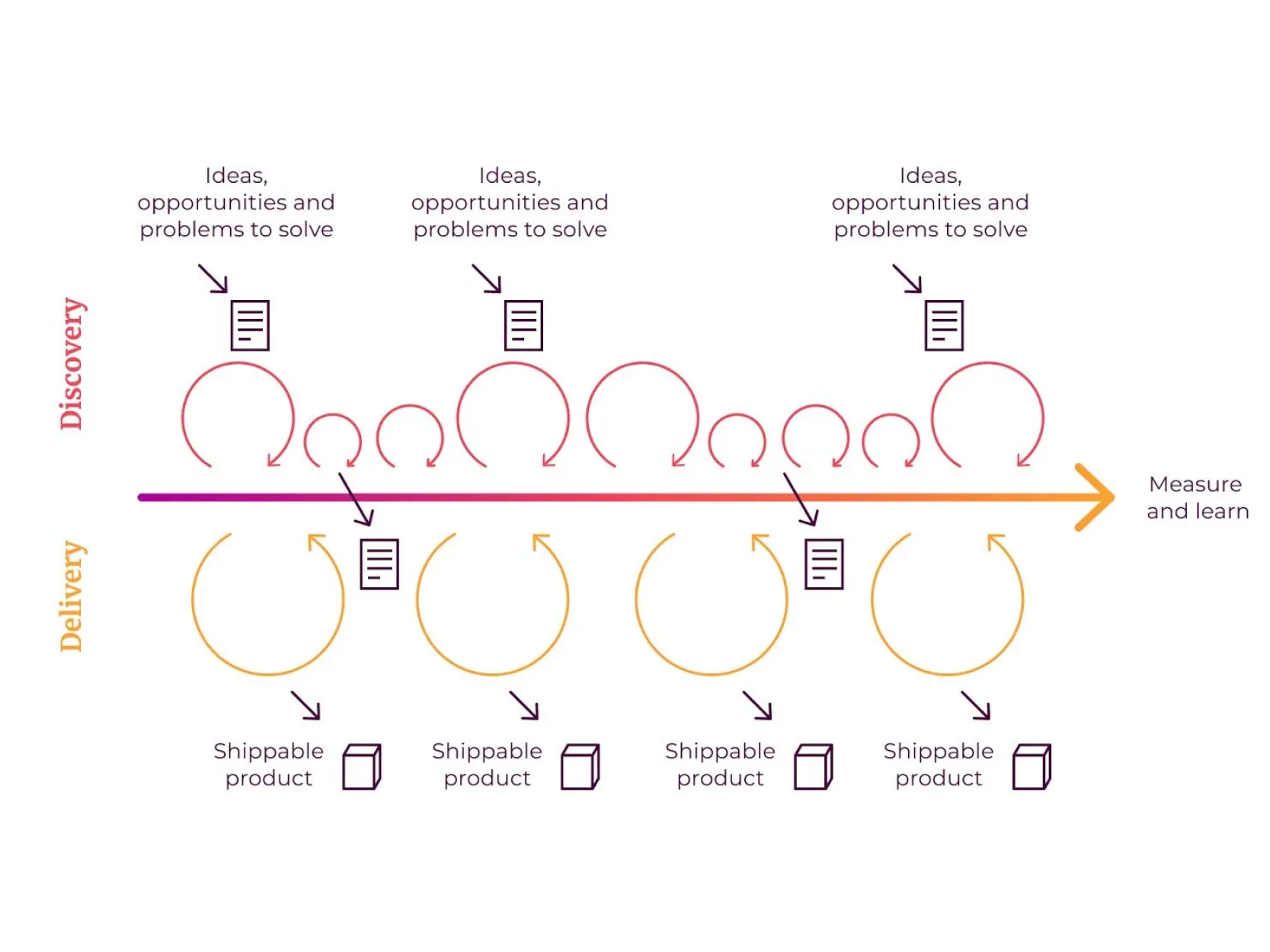
Dual-Track Agile
Dual-Track Agile splits discovery and delivery—researching user needs and defining solutions while
building and releasing features in parallel for continuous, user-focused value.
Image source:
https://www.goodrebels.com/rebelthinking/ux-in-agile-better-with-dual-track-scrum/
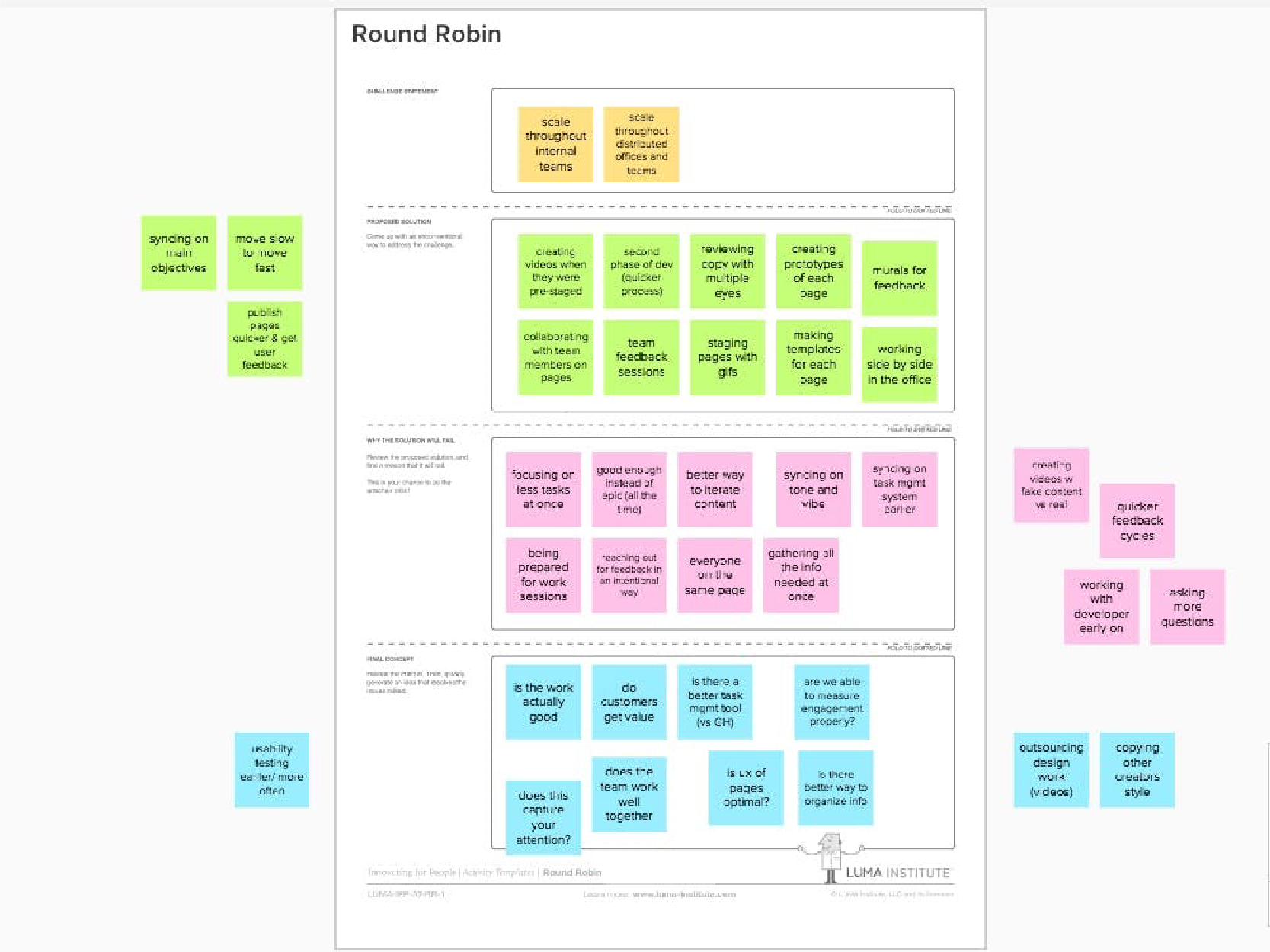
Round Robin Brainstorming
I really like this method for brainstorming because it force
people to think through each other's ideas and develop ideas
together.
How can we let team members build on ideas rather than just Criticism is a huge topic. We also use the "Yes, and... No, but... " method.
How can we let team members build on ideas rather than just Criticism is a huge topic. We also use the "Yes, and... No, but... " method.
Image source: https://www.mural.co/templates/round-robin
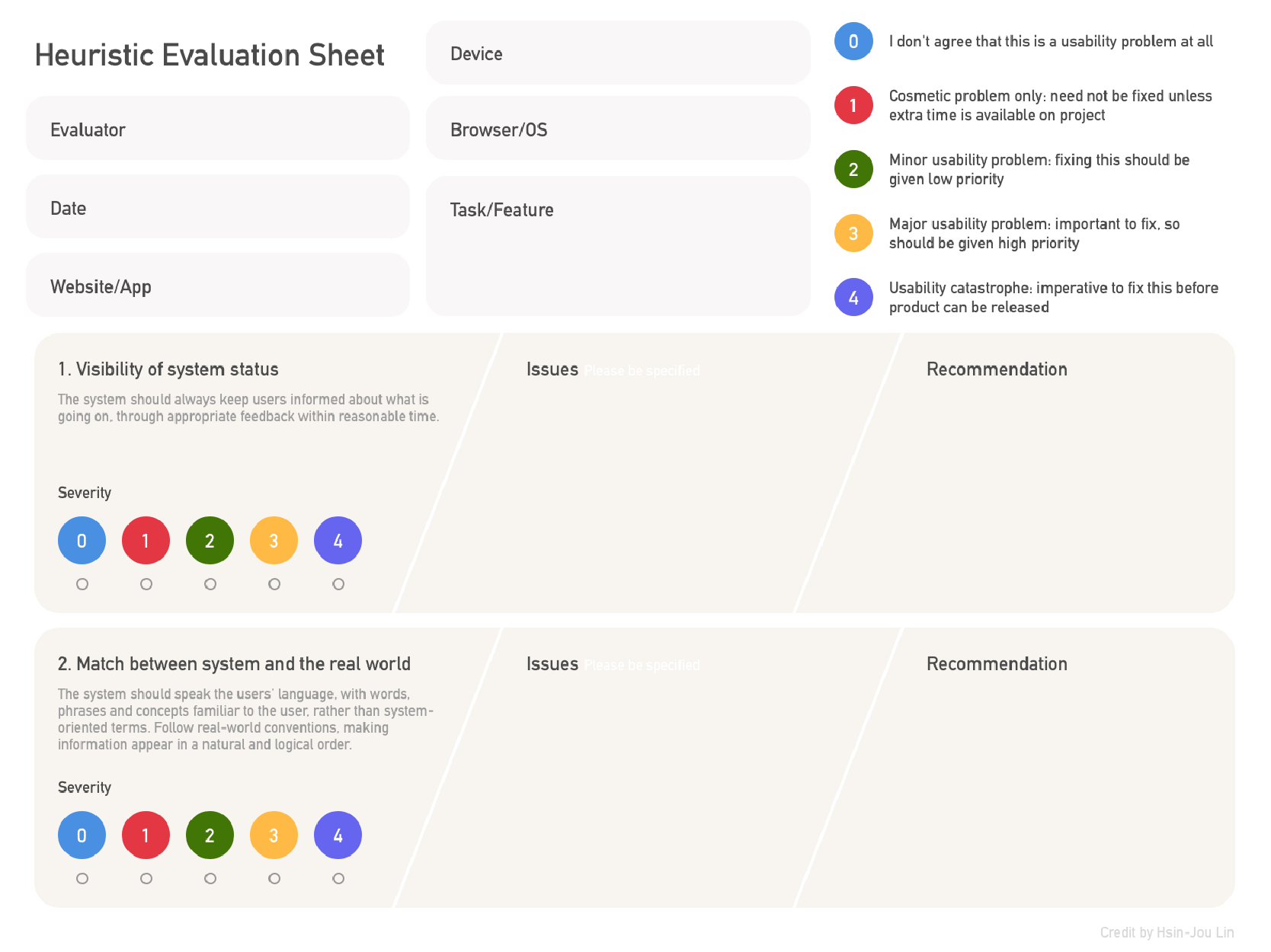
Heuristic Evaluation
Heuristic evaluation is very quick and cheap, but it can
identify most usability problems. The most common system we are
using is from Nielsen Norman. I also like the "UI Tenets &
Traps".
Image source:
https://uxplanet.org/how-to-conduct-heuristic-evaluation-85548a355dca
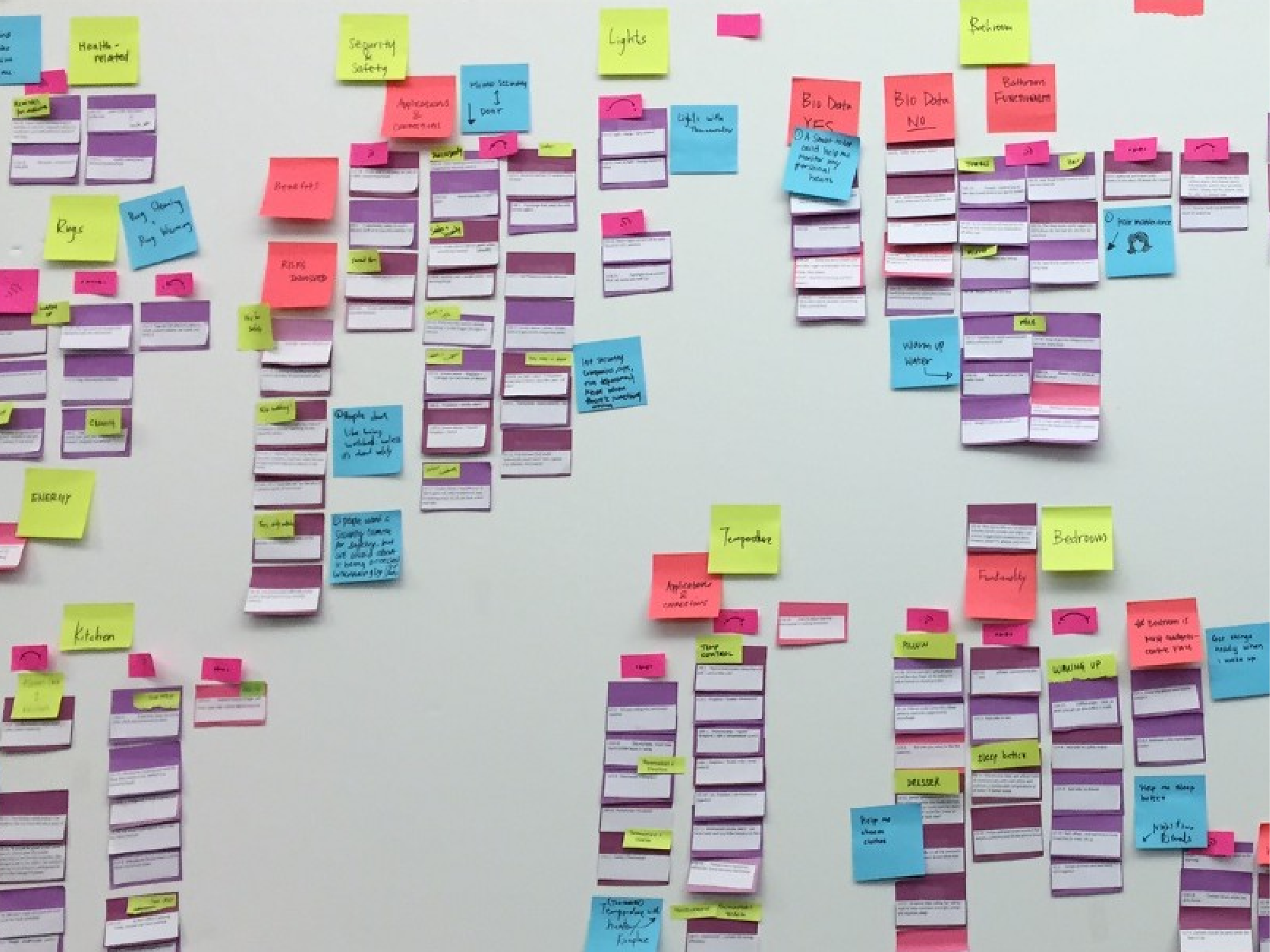
Affinity Diagram
I was surprised that just putting similar things together can be
a design and research method. After using it many times, I
found it is always a good starting point to make sense of tones of
qualitative data and finding patterns.
https://uxdict.io/design-thinking-methods-affinity-diagrams-357bd8671ad4
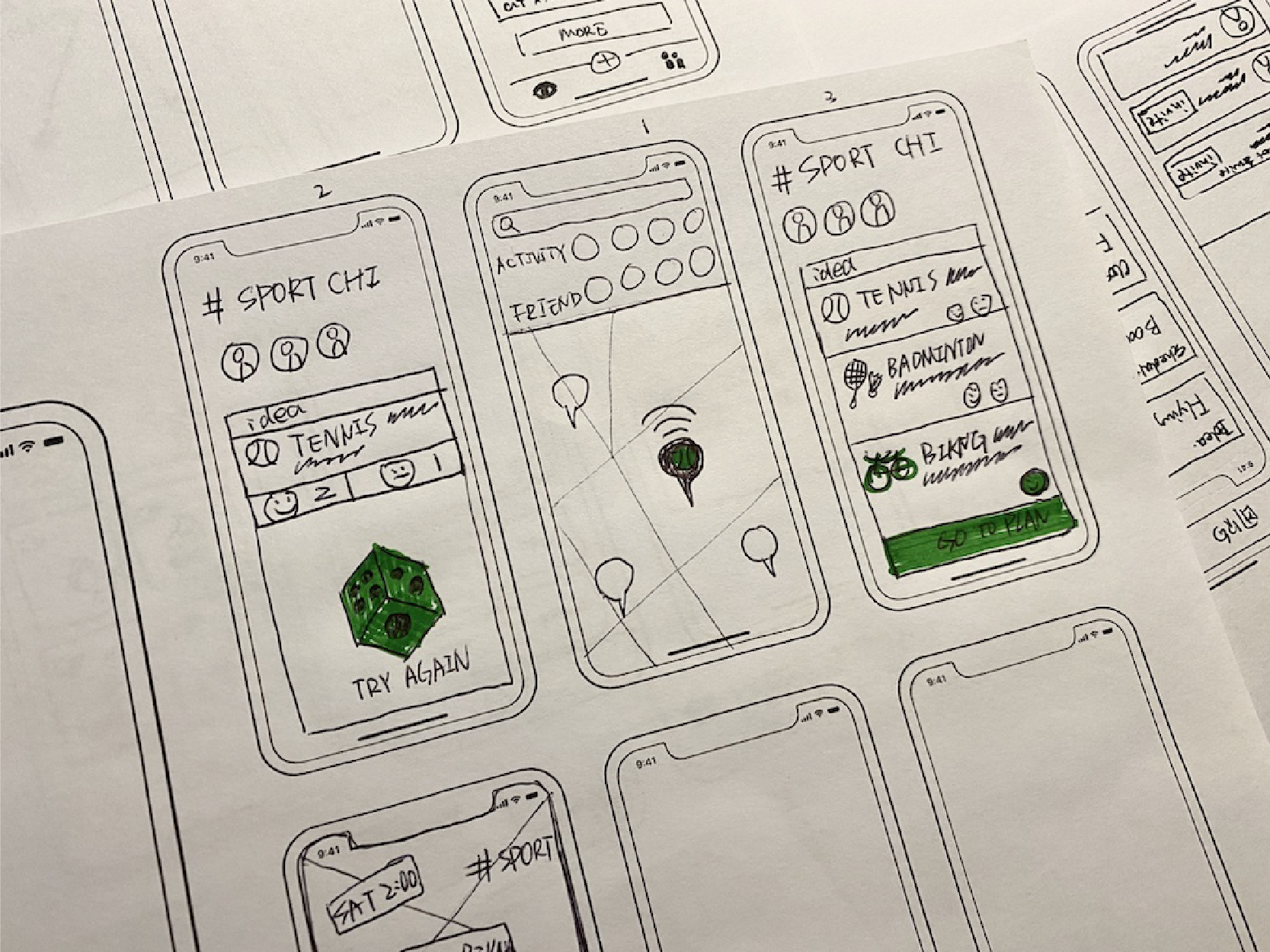
Paper Prototype
We have so many prototyping tools, from sketchy to Hi-Fi. Do we
Do you still need paper and a pen? Absolutely!
There is no copy and paste on the paper. Whenever I draw a similar interface, it gives me another chance to think about it again.
There is no copy and paste on the paper. Whenever I draw a similar interface, it gives me another chance to think about it again.
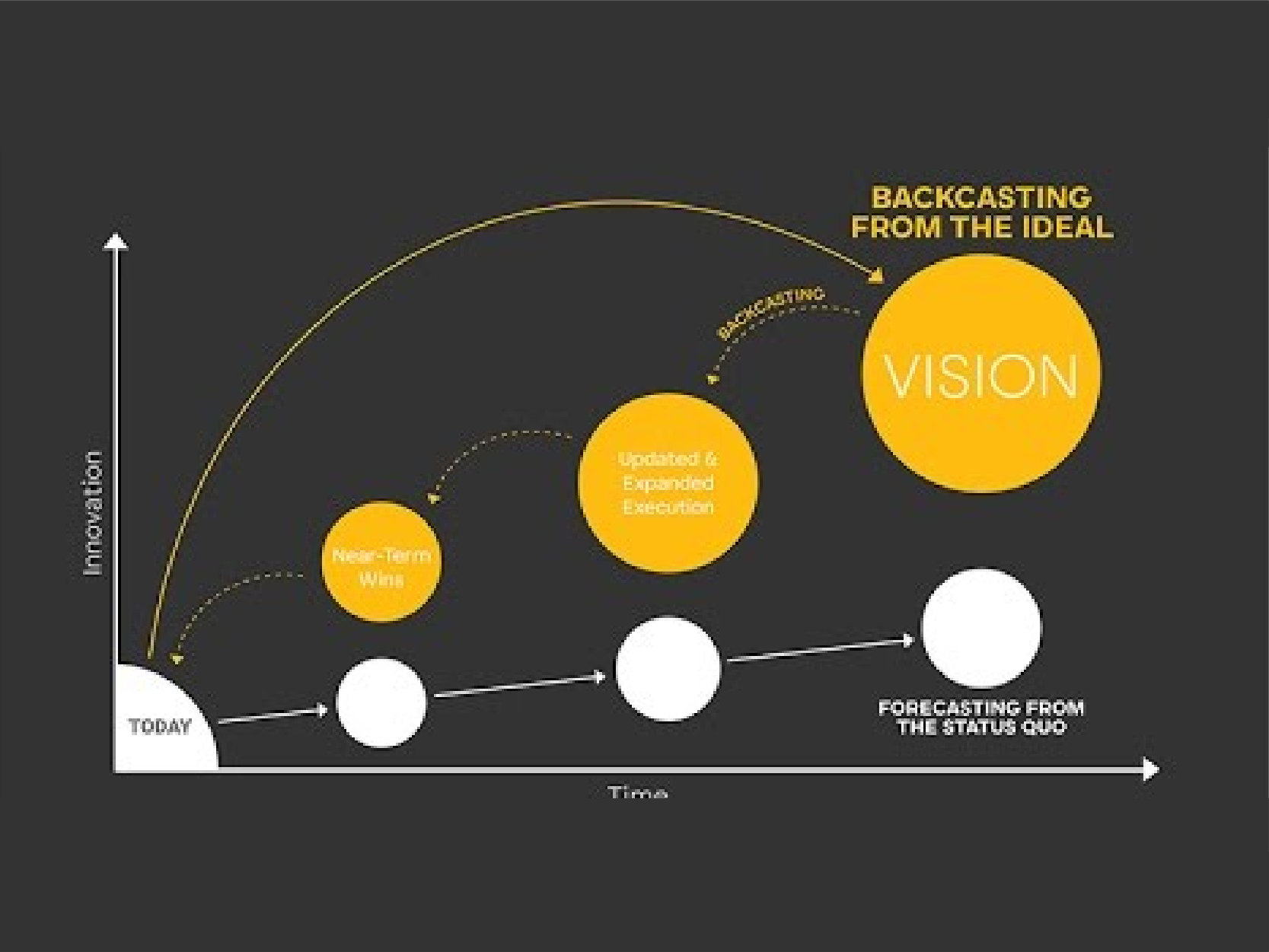
Back Casting
Limitation and current context are friends of designers, but its
easy for teams to get lost in fixing endless bugs and finishing the
next and next release. Backcasting from the future can help us
clarify what is the most important things rather than the most
urgent -- they are not always the same.
https://www.youtube.com/watch?v=UshLmJ5uW6U
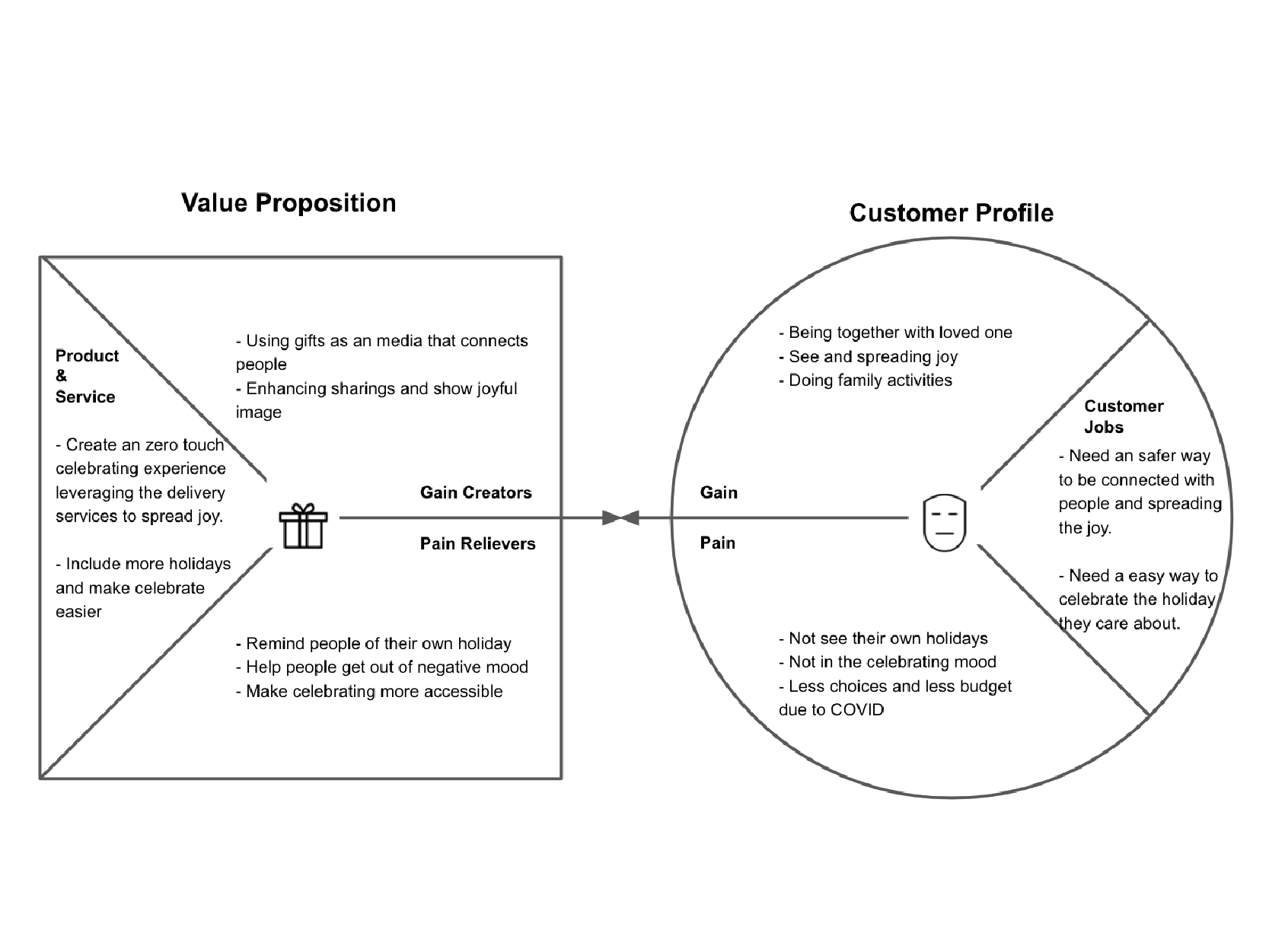
Value Proposition Canvas
Once we have a good understanding of the user, this value
proposition canvas can help us quickly come up with new ideas.
While developing ideas, it's still beneficial to keep them in minds
and to keep our offerings align with user's needs.
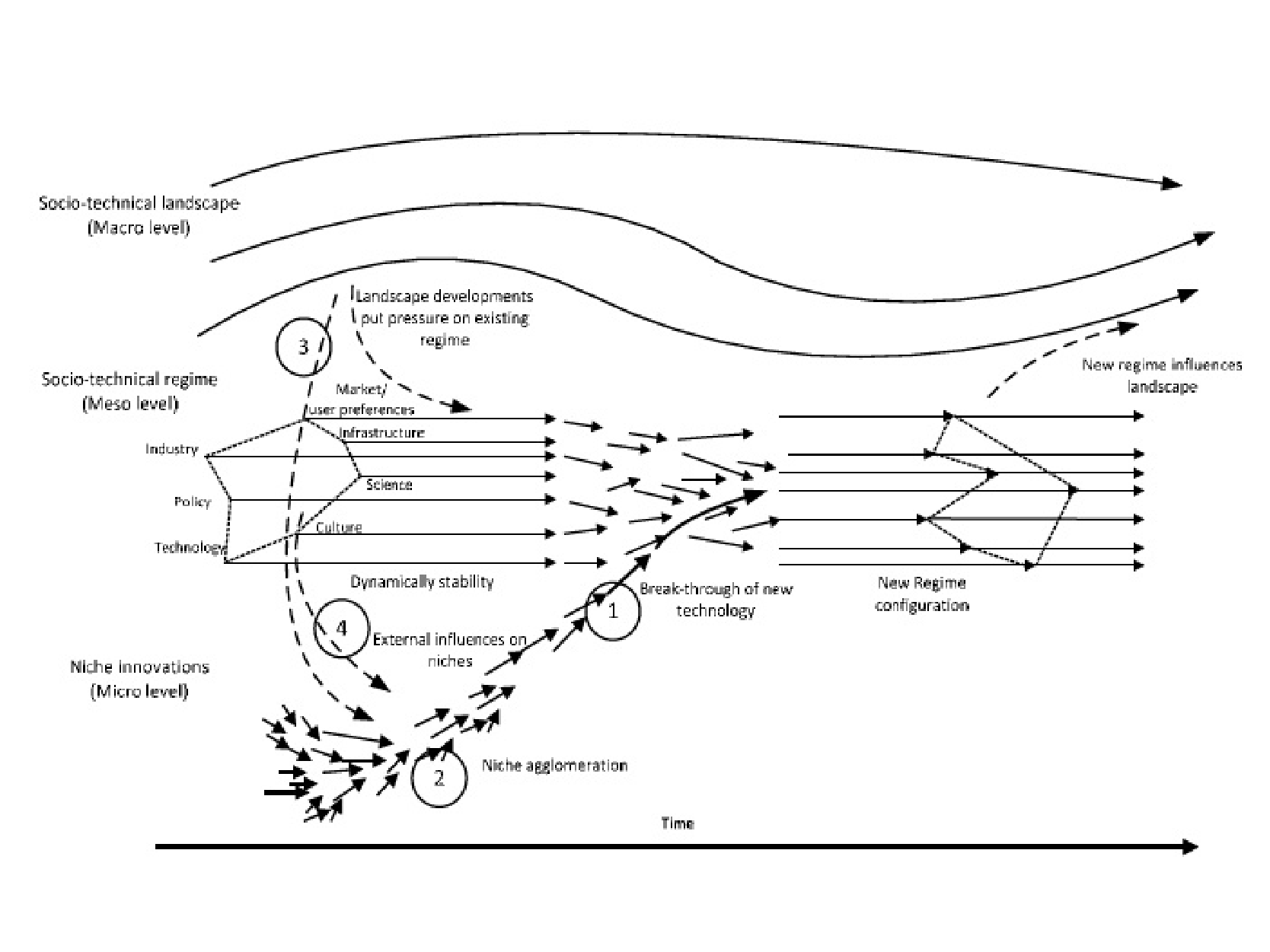
Multi-Level Perspective
The Multi-Level Perspective model helps us understand a system from
landscape, regime, and niche level. It also shows that we have
different ways to interact with the system and drive change.
https://www.cairn-int.info/article-E_JIE_025_0211--the-inventor-s-perspective-on.htm
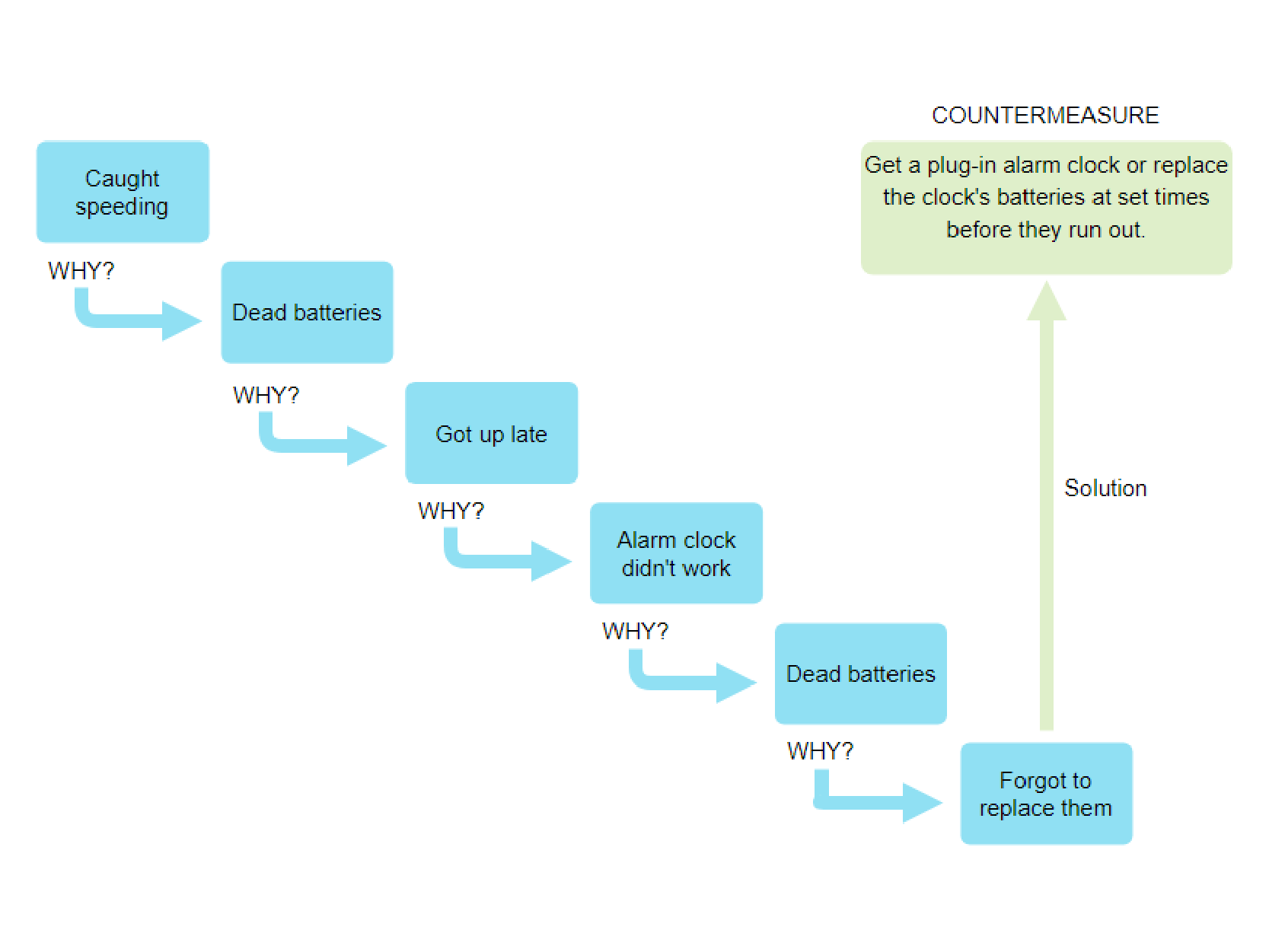
5 Whys
Many designers had experience of giving the wrong problem to
solve. These Five Why help us understand what is the root cause
of a problem also help our client understand what they are
trying to solve.
https://online.visual-paradigm.com/knowledge/root-cause-analysis/root-cause-analysis-5-whys-technique/